Homemade Mayonnaise Recipe
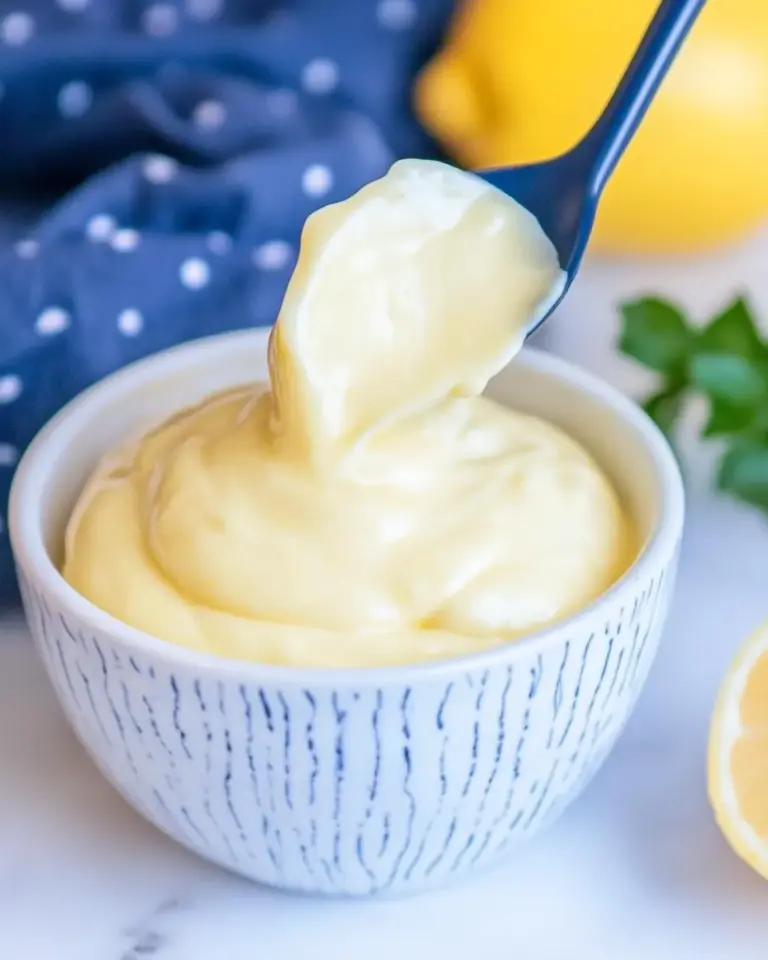
If you’ve ever tasted homemade mayonnaise, you know there’s a world of difference between it and the store-bought variety. Creamy, rich, and bursting with flavor, this Homemade Mayonnaise Recipe will elevate your sandwiches, salads, and dips. With just a few simple ingredients and minimal effort, you can create a condiment that’s not only delicious but also made with love. Let’s dive into the details of crafting this kitchen staple!
What Sets This Recipe Apart
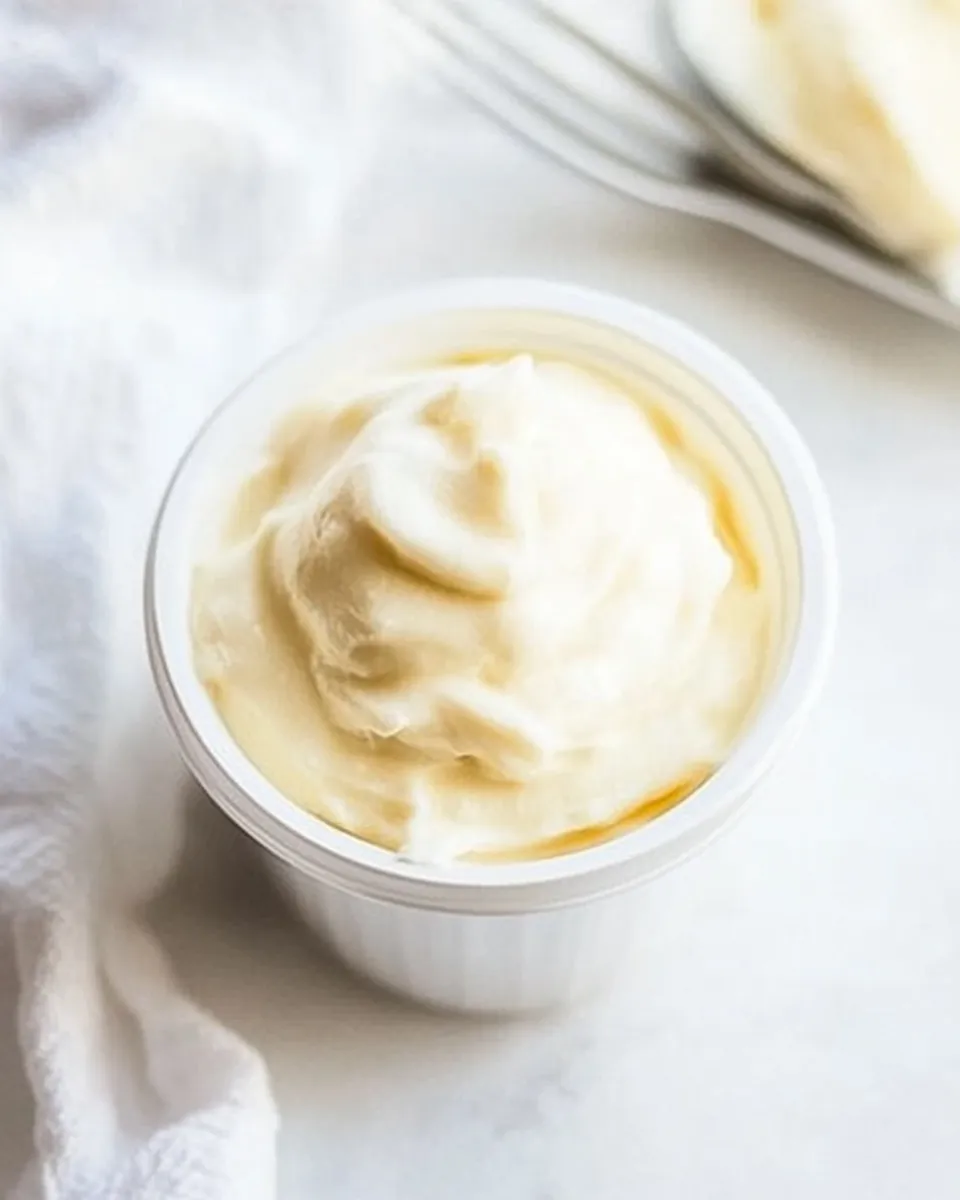
What makes this Homemade Mayonnaise Recipe special is its simplicity and the control it gives you over flavor and texture. Using fresh ingredients allows you to customize the taste to your liking. Whether you prefer a tangy kick or a subtle hint of spice, this recipe is versatile enough to adapt to your palate. Plus, the satisfaction of making it yourself is unparalleled!
What Goes In
To whip up this delightful mayonnaise, you will need the following ingredients:
- 1 pasteurized egg yolk – This forms the base of your mayonnaise, providing creaminess.
- 1 teaspoon distilled vinegar – This adds the necessary acidity to balance the richness of the egg.
- 1 teaspoon dry or Dijon mustard – For flavor and to help emulsify the mixture.
- 6 ounces oil – A neutral oil like canola or sunflower works best for a classic flavor.
- 1 teaspoon lemon juice or additional distilled vinegar – Brightens up the overall taste.
- Salt to taste – Enhances all the flavors in your mayonnaise.
- Cayenne pepper to taste (optional) – Adds a subtle heat if you’re feeling adventurous.
- Water (optional) – To adjust the consistency if needed.
Equipment Breakdown
Before you start, gather the necessary equipment:
- Mixing bowl – A medium-sized bowl to hold your ingredients.
- Whisk or immersion blender – For blending the ingredients into a creamy consistency.
- Measuring spoons – To ensure accurate measurements.
- Spatula – For scraping down the sides of the bowl.
- Storage container – A clean jar or container to store your mayonnaise.
Cook Homemade Mayonnaise Recipe Like This
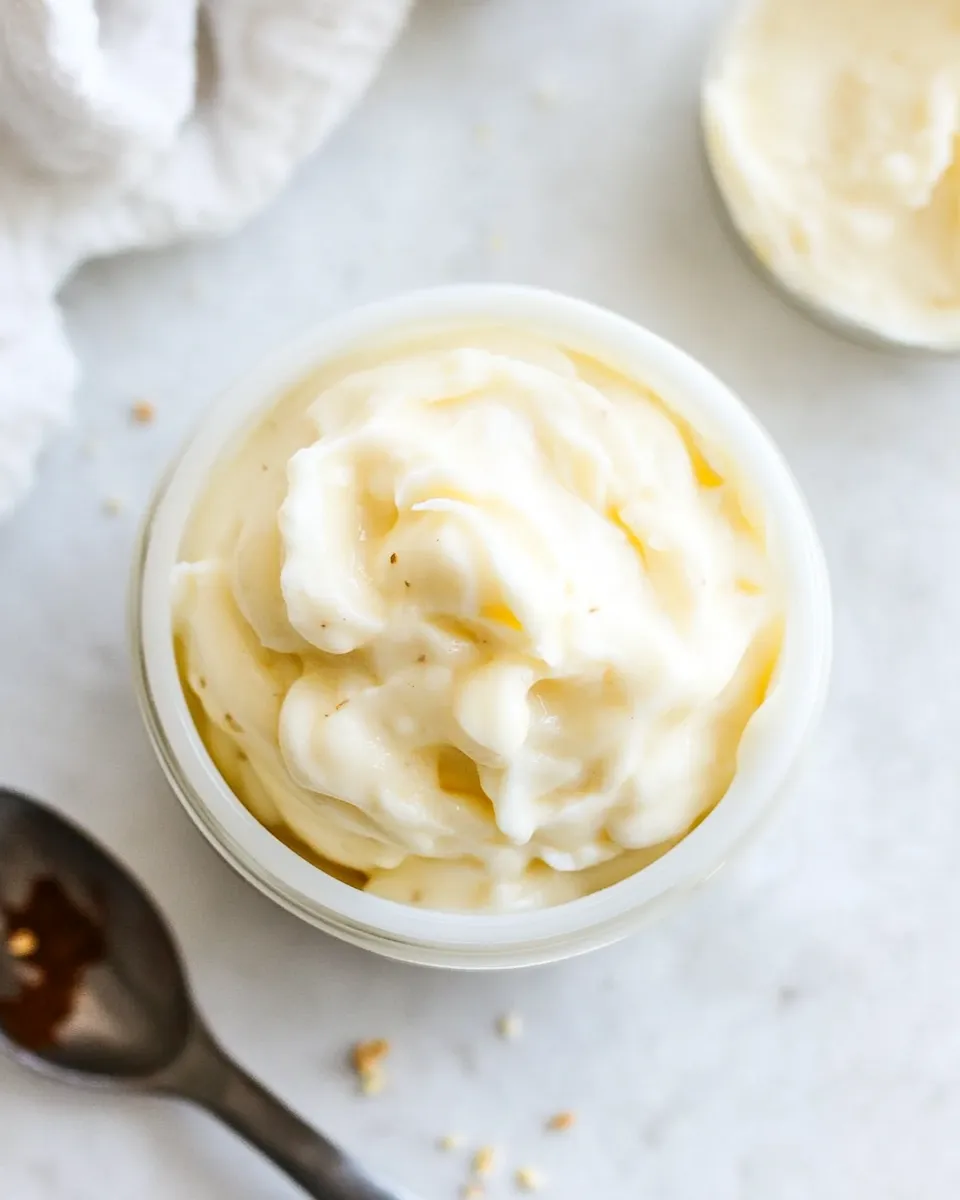
Creating your own mayonnaise is easier than you might think. Follow these steps for a perfect batch:
Step 1: Prepare the Ingredients
Start by gathering all your ingredients on the countertop. Make sure your egg is at room temperature for a smoother emulsion.
Step 2: Combine the Base Ingredients
In your mixing bowl, whisk together the pasteurized egg yolk, distilled vinegar, and mustard until well combined. The mustard not only adds flavor but also acts as an emulsifier, helping the oil and egg yolk to blend seamlessly.
Step 3: Slowly Add the Oil
Begin to drizzle in the oil gradually while whisking continuously. It’s crucial to add the oil slowly at first to help create a stable emulsion. As the mixture begins to thicken, you can pour the oil in a thin stream more quickly.
Step 4: Add Lemon Juice or Vinegar
Once you’ve incorporated all the oil and achieved a creamy texture, mix in the lemon juice or an additional teaspoon of vinegar. This will brighten the flavor of your mayonnaise.
Step 5: Season to Taste
Add salt to taste, and if desired, a pinch of cayenne pepper for a little kick. Whisk until everything is well combined.
Step 6: Adjust Consistency
If your mayonnaise is too thick, you can whisk in a teaspoon of water at a time until you reach your desired consistency.
Step 7: Store the Mayonnaise
Transfer your homemade mayonnaise into a clean storage container. It can be kept in the refrigerator for up to a week, though it’s best enjoyed fresh!
Allergy-Friendly Swaps
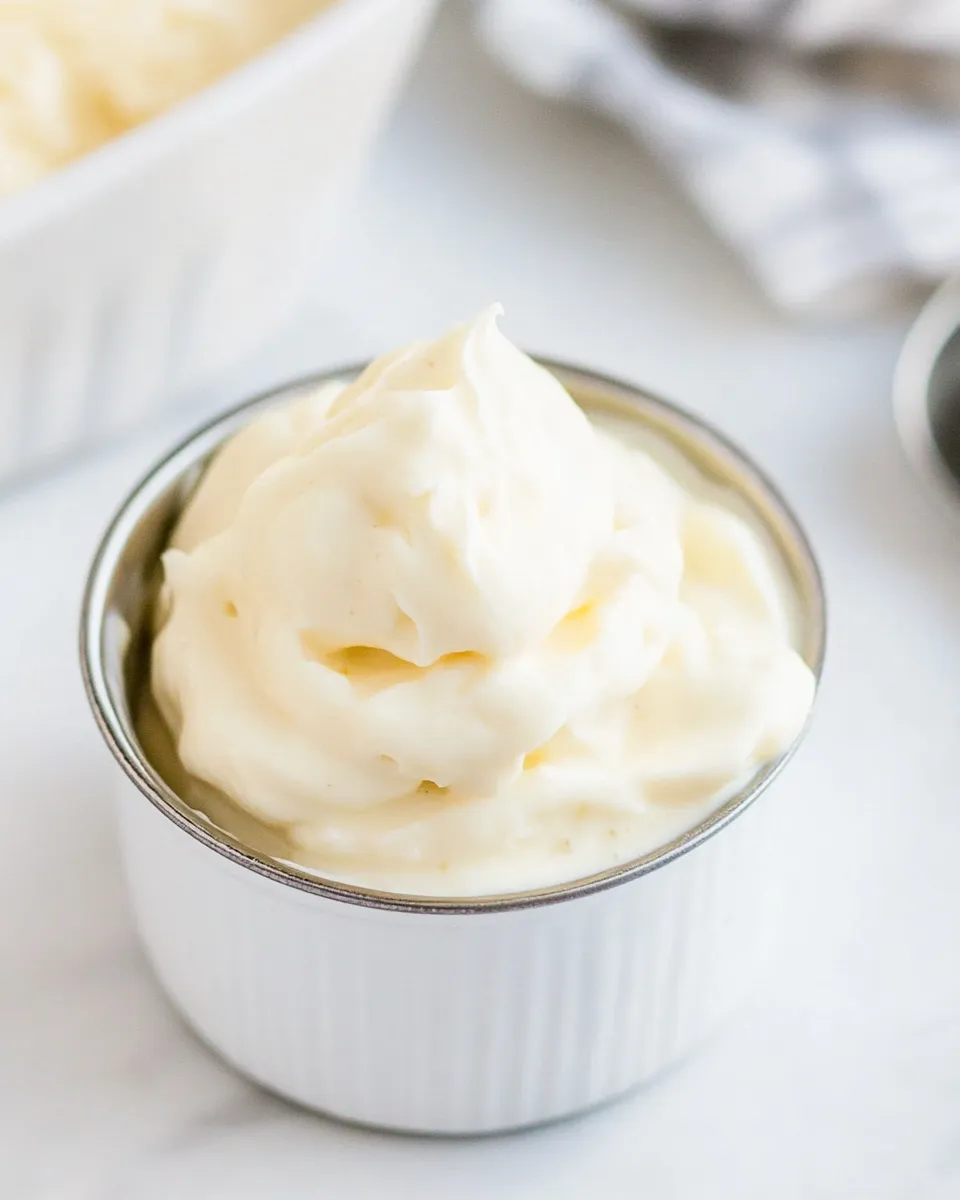
If you have dietary restrictions or allergies, here are some alternatives you can use:
- Egg-free option: Substitute the egg yolk with aquafaba (the liquid from canned chickpeas) for a vegan version.
- Vinegar alternatives: Use apple cider vinegar or lemon juice if you prefer a different acidity.
- Oil substitutes: Experiment with avocado oil for a richer flavor.
- Mustard alternatives: If you’re allergic to mustard, you can skip it, but consider adding a bit of garlic for flavor.
If You’re Curious
Homemade mayonnaise is not only delicious but also allows for endless customization. Here are some ideas to spark your creativity:
- Herbed Mayonnaise: Stir in fresh herbs like dill or basil for a flavorful twist.
- Spicy Mayonnaise: Mix in sriracha or hot sauce for a spicy kick.
- Garlic Aioli: Add minced garlic for a classic aioli flavor that pairs perfectly with seafood.
- Lemon Zest: A bit of lemon zest can enhance the citrusy notes in your mayonnaise.
Storing, Freezing & Reheating
Homemade mayonnaise is best enjoyed fresh but can be stored in the refrigerator for up to one week. Make sure to keep it in an airtight container to maintain its freshness. If you find yourself with an excess, freezing mayonnaise is not recommended as it can change the texture upon thawing. Instead, try making smaller batches as needed, ensuring you always have a fresh supply on hand!
Ask & Learn
Can I use olive oil for mayonnaise?
Yes, you can use olive oil, but keep in mind that it will impart a stronger flavor. A light olive oil is recommended if you want a milder taste.
What can I do if my mayonnaise doesn’t thicken?
If your mayonnaise isn’t thickening, it may be due to adding the oil too quickly. You can start over by whisking a new egg yolk and slowly adding the failed mayonnaise while whisking to create a new emulsion.
Is homemade mayonnaise safe to eat?
Using a pasteurized egg minimizes the risk of bacterial contamination, making homemade mayonnaise generally safe. However, if you have concerns, consider using store-bought pasteurized eggs.
How can I make mayonnaise without mustard?
You can omit mustard entirely, but consider adding a bit of lemon juice or vinegar to help with emulsification and flavor. Garlic can also enhance the taste in its absence.
In Closing
Now that you’ve mastered this Homemade Mayonnaise Recipe, you can enjoy a creamy, flavorful condiment that perfectly complements your dishes. Experiment with various flavors and make it your own! Whether it’s for a classic sandwich, a fresh salad dressing, or a dip for veggies, this mayonnaise is sure to impress. Embrace the joy of homemade cooking and relish in the deliciousness that comes from your own kitchen. Enjoy!
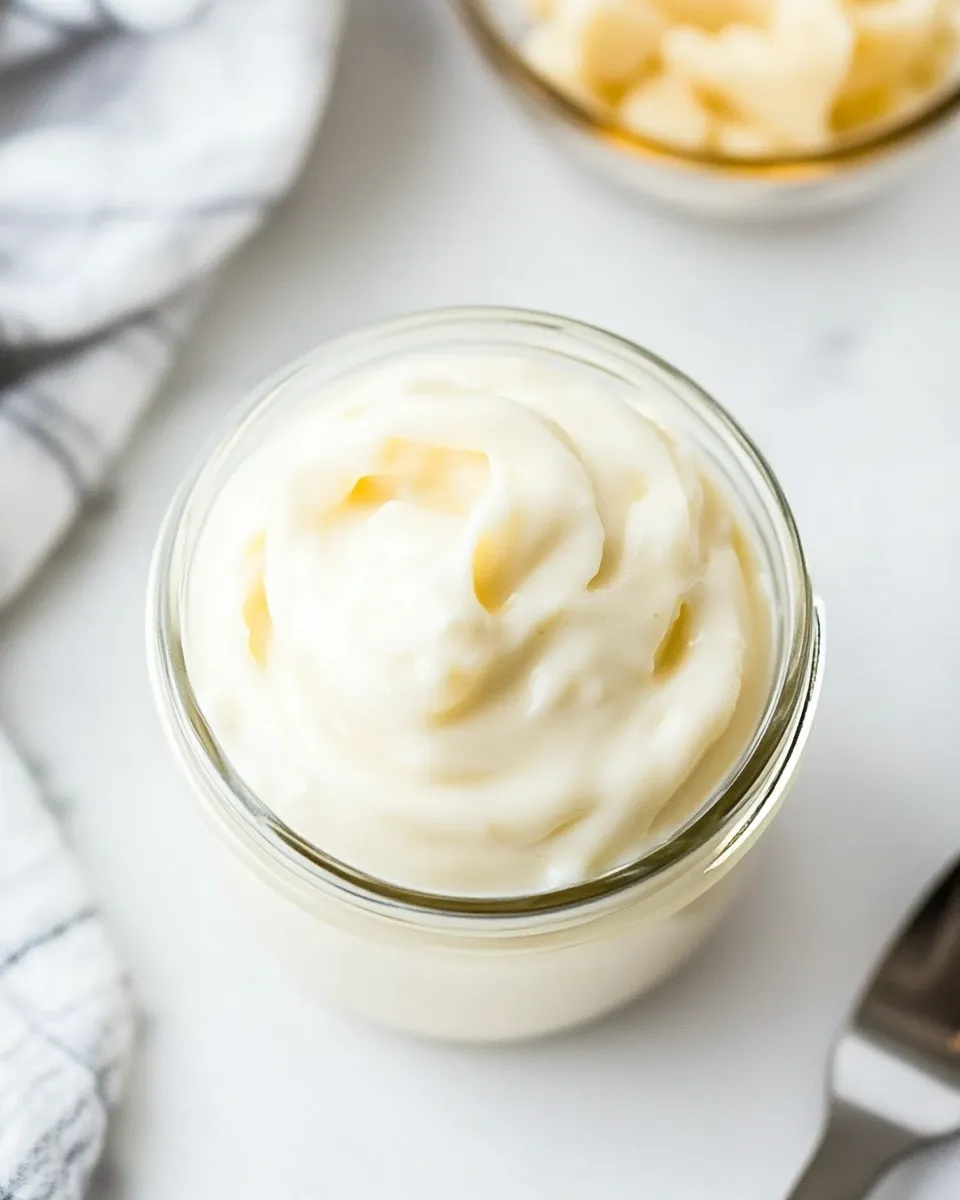
Homemade Mayonnaise Recipe
Ingredients
Equipment
Method
- Start by gathering all your ingredients on the countertop. Make sure your egg is at room temperature for a smoother emulsion.
- In your mixing bowl, whisk together the pasteurized egg yolk, distilled vinegar, and mustard until well combined.
- Begin to drizzle in the oil gradually while whisking continuously.
- Once you’ve incorporated all the oil and achieved a creamy texture, mix in the lemon juice or an additional teaspoon of vinegar.
- Add salt to taste, and if desired, a pinch of cayenne pepper for a little kick.
- If your mayonnaise is too thick, you can whisk in a teaspoon of water at a time until you reach your desired consistency.
- Transfer your homemade mayonnaise into a clean storage container. It can be kept in the refrigerator for up to a week.
Notes
- Ensure all ingredients are at room temperature for best results.
- Experiment with different oils for unique flavors.
- Store in an airtight container in the fridge for up to one week.