Yogurt Sauce
Yogurt sauce is a versatile and refreshing condiment that can elevate a variety of dishes. Whether you’re serving it alongside grilled meats, drizzling it over roasted vegetables, or using it as a dip for fresh bread, this sauce is bound to please your taste buds. With a combination of creamy whole milk yogurt, zesty lemon, and fragrant dill, it’s a perfect balance of flavors that can complement almost any meal. This recipe is not only easy to whip up but also packed with freshness, making it a staple in your culinary repertoire.
Why This Recipe Is Reliable
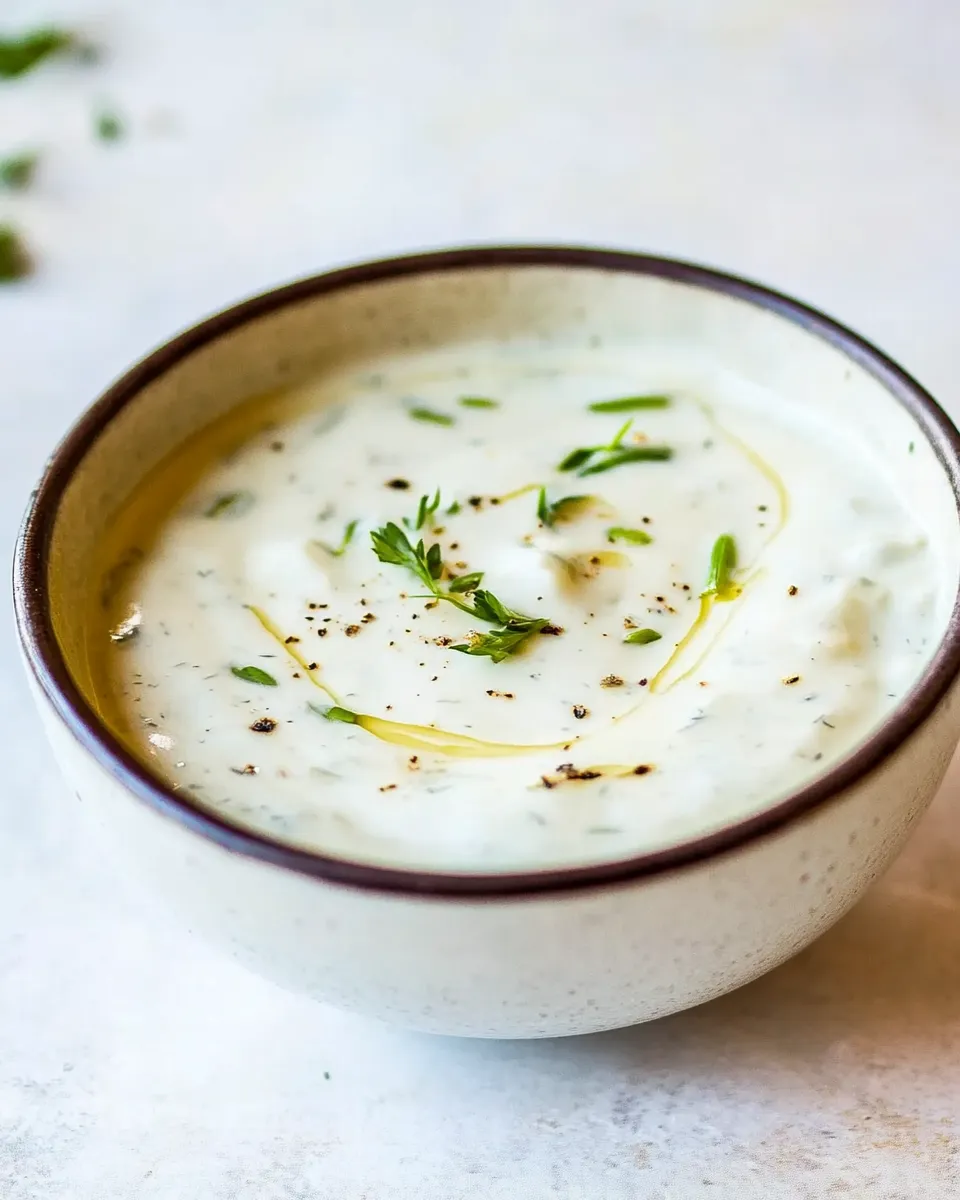
This yogurt sauce recipe is reliable for several reasons. First, it uses simple, accessible ingredients that you likely already have in your kitchen. Second, the proportions are balanced, ensuring the flavors harmonize beautifully without overpowering one another. Lastly, the versatility of yogurt sauce means it can be adapted to suit your personal taste or the specific dishes you’re preparing. Whether you prefer it mild or with a spicy kick, this recipe serves as a solid foundation to explore different variations.
What to Buy
To make this delicious yogurt sauce, gather the following ingredients:
- Whole Milk Yogurt (3/4 cup) – Choose a high-quality brand for the creamiest texture.
- Olive Oil (2 tablespoons) – A good extra virgin olive oil enhances the flavor.
- Lemon Juice (2 tablespoons) – Freshly squeezed lemon juice is key for brightness.
- Fresh Dill (1 tablespoon, minced) – Opt for fresh dill for the best flavor; dried can be used in a pinch.
- Garlic (1 clove) – Freshly zested garlic adds a robust flavor.
- Salt – To taste, enhances all the other flavors.
- Red Chili Flakes – To taste, for a bit of heat.
Appliances & Accessories
For preparing your yogurt sauce, you will need the following:
- Mixing Bowl – A medium-sized bowl is ideal for combining ingredients.
- Microplane Grater – Perfect for zesting garlic finely without much effort.
- Whisk or Spoon – For mixing the sauce until smooth.
- Measuring Spoons – To ensure precise measurements of your ingredients.
From Start to Finish: Yogurt Sauce
Step 1: Gather Your Ingredients
Begin by gathering all your ingredients on the countertop. This will make the preparation process seamless and enjoyable.
Step 2: Measure the Yogurt
In a medium-sized mixing bowl, measure out 3/4 cup of whole milk yogurt. This creamy base is the heart of your sauce.
Step 3: Add Olive Oil and Lemon Juice
Pour in 2 tablespoons of olive oil and 2 tablespoons of freshly squeezed lemon juice. The olive oil adds richness while the lemon juice brings a delightful tang.
Step 4: Incorporate Fresh Dill
Add 1 tablespoon of minced fresh dill to the mixture. The herb imparts a fresh and aromatic flavor that brightens the sauce.
Step 5: Zest the Garlic
Using a microplane grater, zest 1 clove of garlic directly into the bowl. This technique ensures the garlic is finely distributed throughout the sauce.
Step 6: Season to Taste
Sprinkle salt and red chili flakes into the mixture according to your taste preference. Start with a pinch, and adjust as needed after tasting.
Step 7: Mix Until Smooth
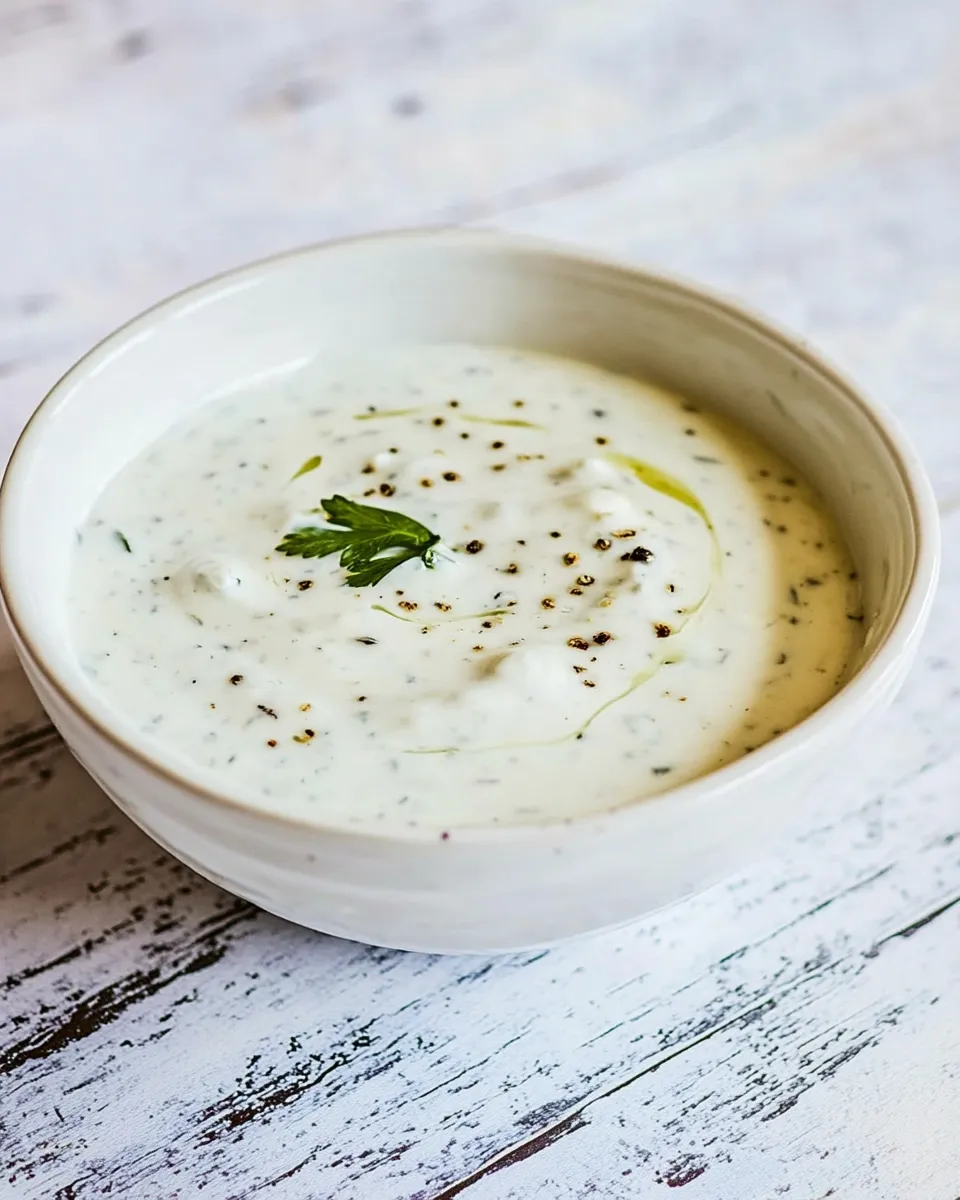
Using a whisk or spoon, mix all the ingredients together until you achieve a smooth, creamy consistency.
Step 8: Taste and Adjust
Taste your yogurt sauce and adjust the seasoning if necessary. If you prefer a bit more heat, add extra red chili flakes.
Step 9: Chill and Serve
For the best flavor, let the yogurt sauce chill in the refrigerator for at least 30 minutes before serving. This resting time allows the flavors to meld beautifully.
Variations by Season
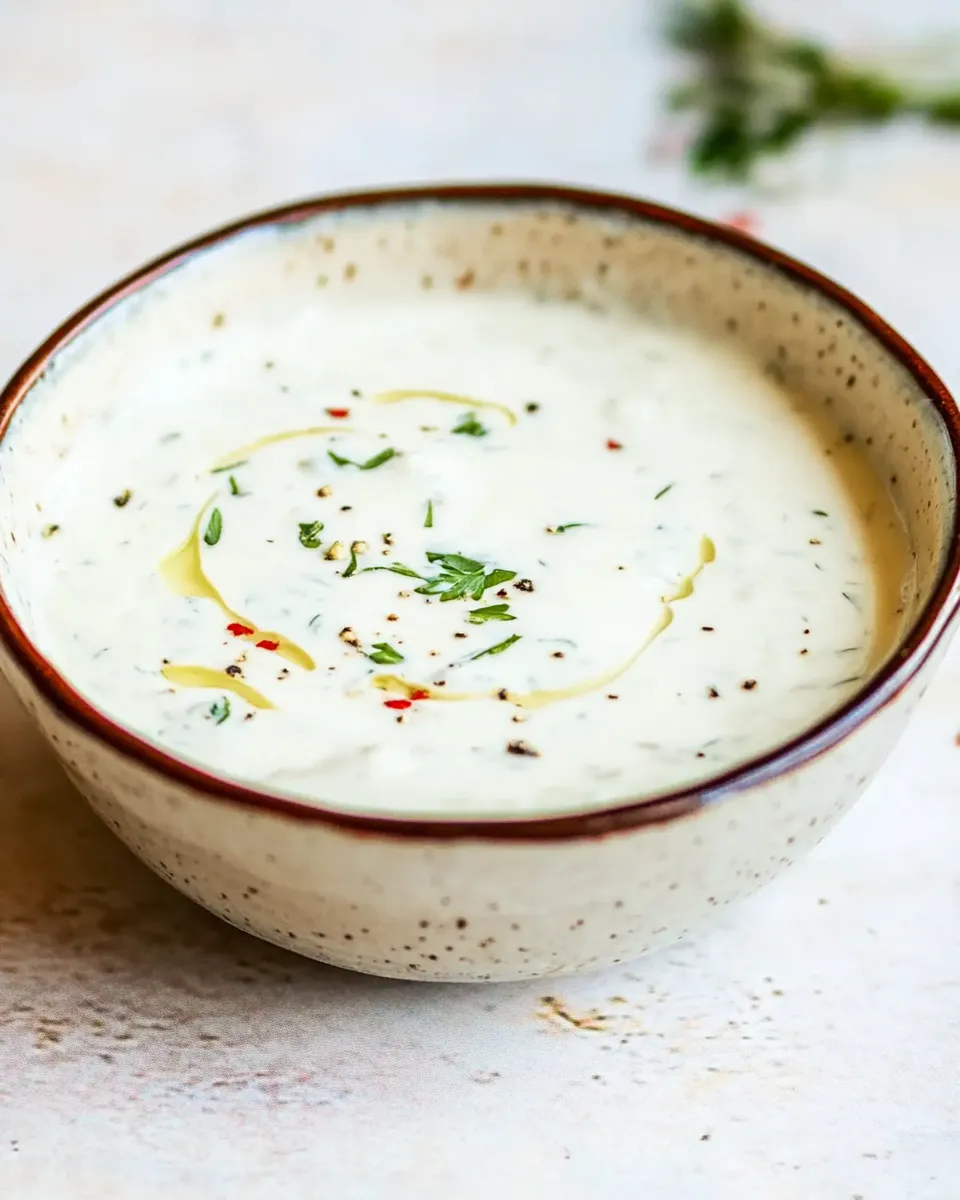
Feel free to experiment with these seasonal variations to keep your yogurt sauce exciting throughout the year:
- Spring – Add fresh mint or chives for a lively and fragrant twist.
- Summer – Incorporate diced cucumbers for a refreshing tzatziki-style sauce.
- Autumn – Mix in roasted garlic and a pinch of smoked paprika for a warm flavor profile.
- Winter – Stir in some grated horseradish for a spicy kick that pairs well with hearty dishes.
Learn from These Mistakes
To ensure your yogurt sauce turns out perfectly every time, avoid these common pitfalls:
- Using low-quality yogurt can result in a watery sauce. Always opt for thick, whole milk yogurt.
- Not letting the sauce chill can lead to a less developed flavor. Give it time to rest for the best taste.
- Over-seasoning can overpower the delicate balance of flavors. Start with less and add more as needed.
- Forgetting to zest the garlic can result in a strong raw garlic flavor. Zesting ensures it blends smoothly into the sauce.
Storing Tips & Timelines
To keep your yogurt sauce fresh and delicious:
- Store any leftovers in an airtight container in the refrigerator.
- It’s best consumed within 3-5 days for optimal flavor and freshness.
- If you notice any separation, simply stir the sauce before serving.
- Avoid freezing the sauce, as the texture may become grainy upon thawing.
Top Questions & Answers
Can I use Greek yogurt instead of whole milk yogurt?
Yes, Greek yogurt will give your sauce a thicker consistency and a more intense flavor. Adjust the quantity slightly if needed, as Greek yogurt is denser.
How can I make this sauce vegan?
To create a vegan version, substitute whole milk yogurt with a dairy-free yogurt alternative, such as almond or coconut yogurt. Ensure it’s unsweetened for the best flavor profile.
What dishes pair well with yogurt sauce?
This yogurt sauce is incredibly versatile! It pairs nicely with grilled meats, roasted vegetables, falafel, and even as a dip for fresh veggies or pita bread.
Can I prepare the sauce in advance?
Absolutely! Making the sauce in advance allows the flavors to meld together beautifully. Just make sure to store it in the fridge in an airtight container.
Time to Try It
Now that you have all the information you need, it’s time to roll up your sleeves and make this delightful yogurt sauce. Its creamy texture and vibrant flavors will undoubtedly enhance your meals, bringing a touch of freshness to every bite. So gather your ingredients, follow the steps, and enjoy the satisfaction of creating a homemade condiment that everyone will love.
Yogurt sauce is not just a condiment; it’s a culinary companion that can transform your dining experience. With a few simple ingredients and a bit of time, you can create something truly special. Enjoy the process, experiment with flavors, and watch as this yogurt sauce becomes a staple in your kitchen.
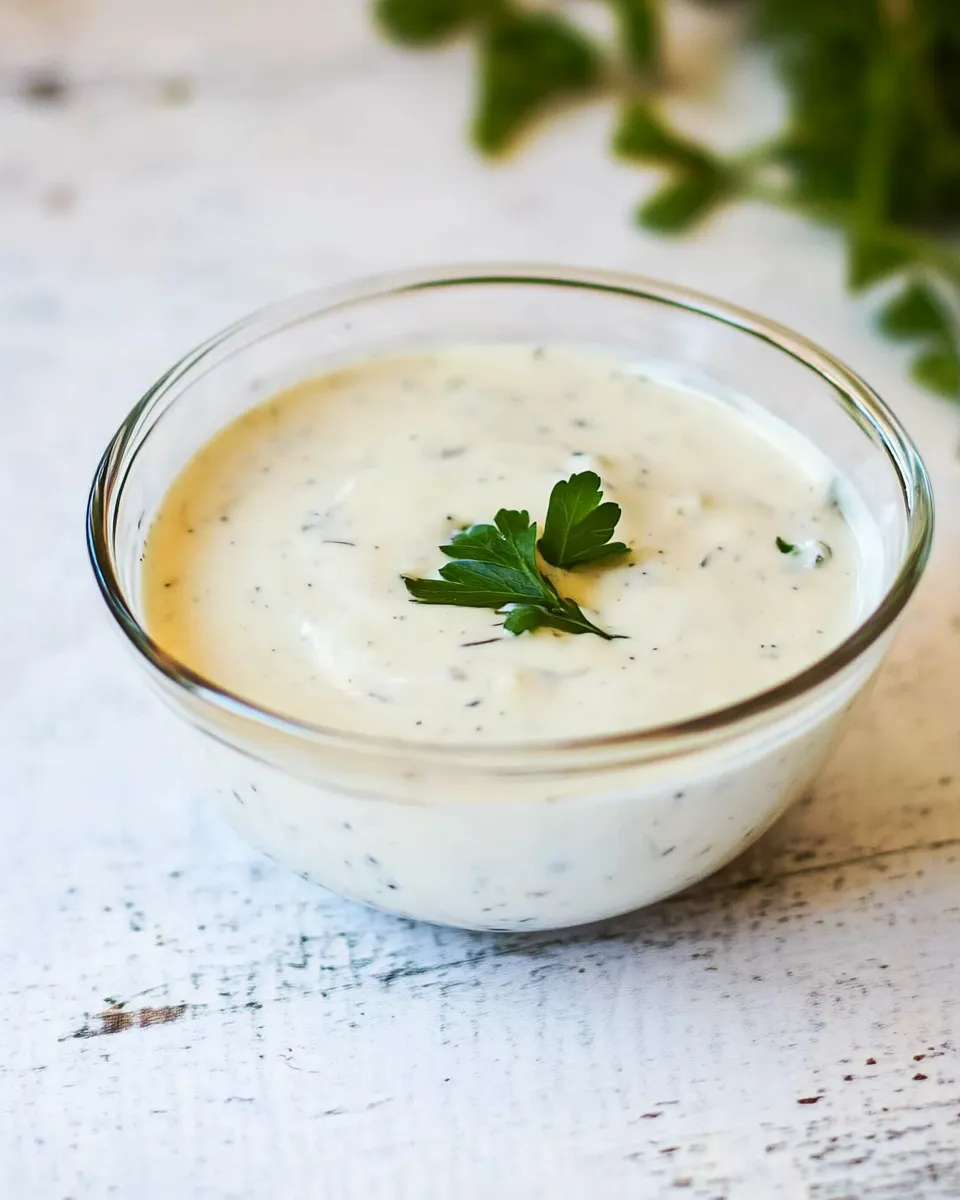
Yogurt Sauce
Ingredients
Equipment
Method
- Begin by gathering all your ingredients on the countertop. This will make the preparation process seamless and enjoyable.
- In a medium-sized mixing bowl, measure out 3/4 cup of whole milk yogurt. This creamy base is the heart of your sauce.
- Pour in 2 tablespoons of olive oil and 2 tablespoons of freshly squeezed lemon juice. The olive oil adds richness while the lemon juice brings a delightful tang.
- Add 1 tablespoon of minced fresh dill to the mixture. The herb imparts a fresh and aromatic flavor that brightens the sauce.
- Using a microplane grater, zest 1 clove of garlic directly into the bowl. This technique ensures the garlic is finely distributed throughout the sauce.
- Sprinkle salt and red chili flakes into the mixture according to your taste preference. Start with a pinch, and adjust as needed after tasting.
- Using a whisk or spoon, mix all the ingredients together until you achieve a smooth, creamy consistency.
- Taste your yogurt sauce and adjust the seasoning if necessary. If you prefer a bit more heat, add extra red chili flakes.
- For the best flavor, let the yogurt sauce chill in the refrigerator for at least 30 minutes before serving. This resting time allows the flavors to meld beautifully.
Notes
- Store any leftovers in an airtight container in the refrigerator.
- It’s best consumed within 3-5 days for optimal flavor and freshness.
- If you notice any separation, simply stir the sauce before serving.