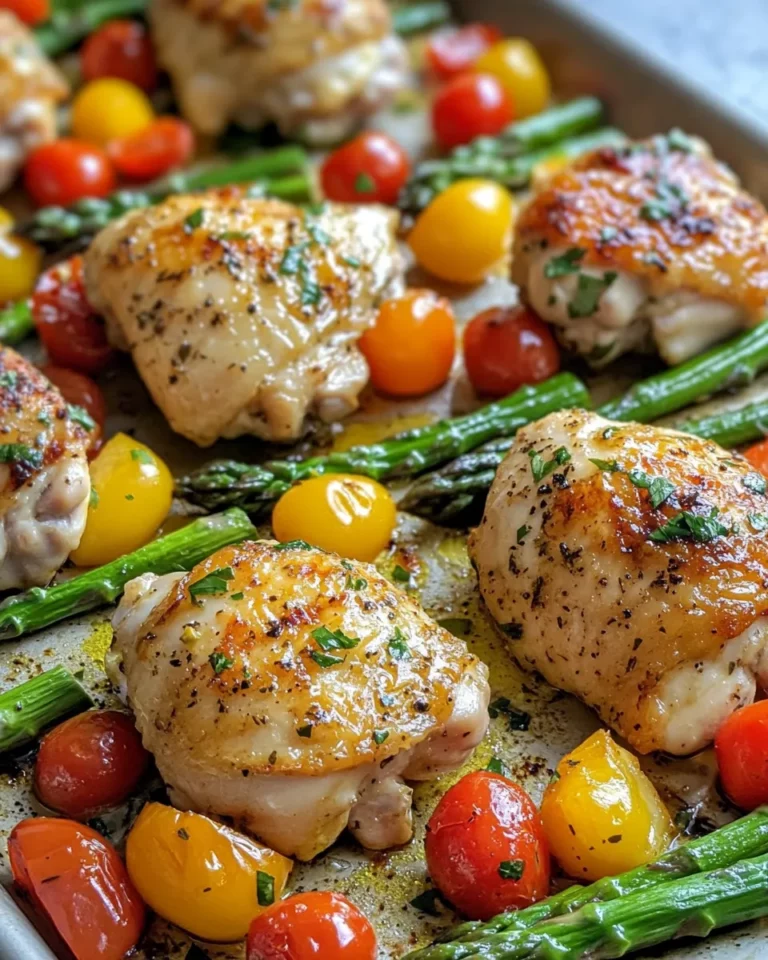
Chicken Dijon
If you’re looking for a dish that combines simplicity with rich, tangy flavors, look no further than Chicken Dijon. This delightful recipe features succulent chicken thighs coated in a mouthwatering sauce made from Dijon mustard and honey, creating a perfect balance of savory and sweet. With just a handful of ingredients, you can create a gourmet meal that feels special yet is easy enough for a weeknight dinner. The comforting aroma of garlic and the crispness of the chicken skin make this dish a reliable favorite in my kitchen.
Why It’s My Go-To
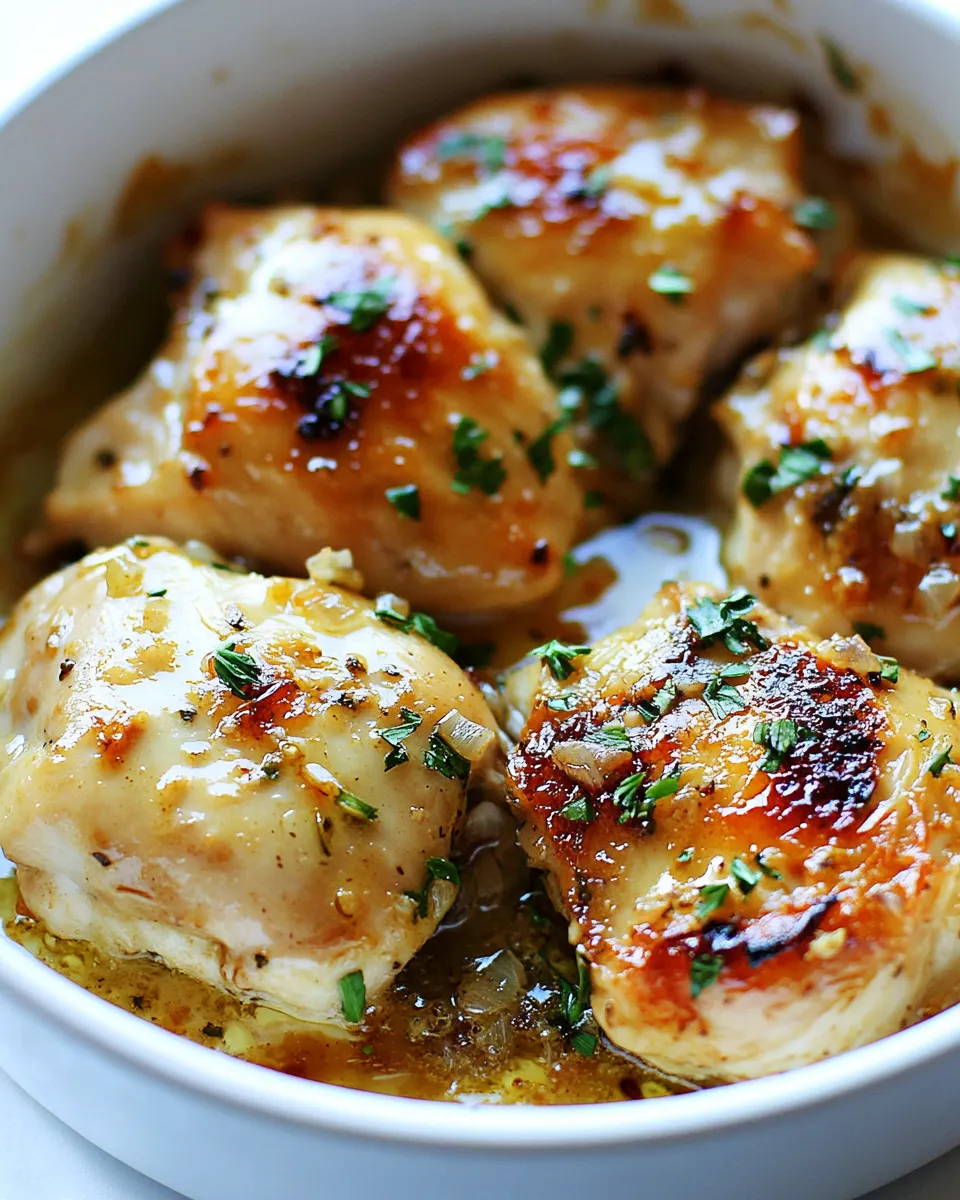
Chicken Dijon is one of those recipes that never fails to impress. The first time I made it, I was taken aback by how a few simple ingredients could come together to create such a delicious meal. The chicken thighs, with their rich flavor, pair perfectly with the zingy Dijon mustard and the sweetness of the honey. This dish is not only quick to prepare but also versatile enough to serve with various sides, making it my go-to option when I want to make something special without spending hours in the kitchen.
What Goes In
To whip up this delightful Chicken Dijon, you’ll need the following ingredients:
- 1 lb chicken thighs, deboned and skin on
- 1 pinch salt
- Black pepper, to taste
- 2 teaspoons olive oil
- 4 cloves garlic, minced
- 3 tablespoons honey
- 3 teaspoons Dijon mustard
- 1/4 cup water
- 1 pinch salt, for seasoning
Each ingredient plays a crucial role in building the flavor profile of this dish, making it a perfect example of how simple cooking can yield extraordinary results.
Gear Checklist
Before you start cooking, make sure you have the following kitchen tools:
- Large skillet: For searing the chicken and cooking the sauce.
- Measuring spoons: To accurately measure ingredients.
- Spatula or tongs: For flipping the chicken and stirring the sauce.
- Garlic press: To easily mince the garlic if you prefer.
- Cutting board: For prepping your chicken and garlic.
Having the right tools on hand will make your cooking experience smoother and more enjoyable.
Chicken Dijon — Do This Next
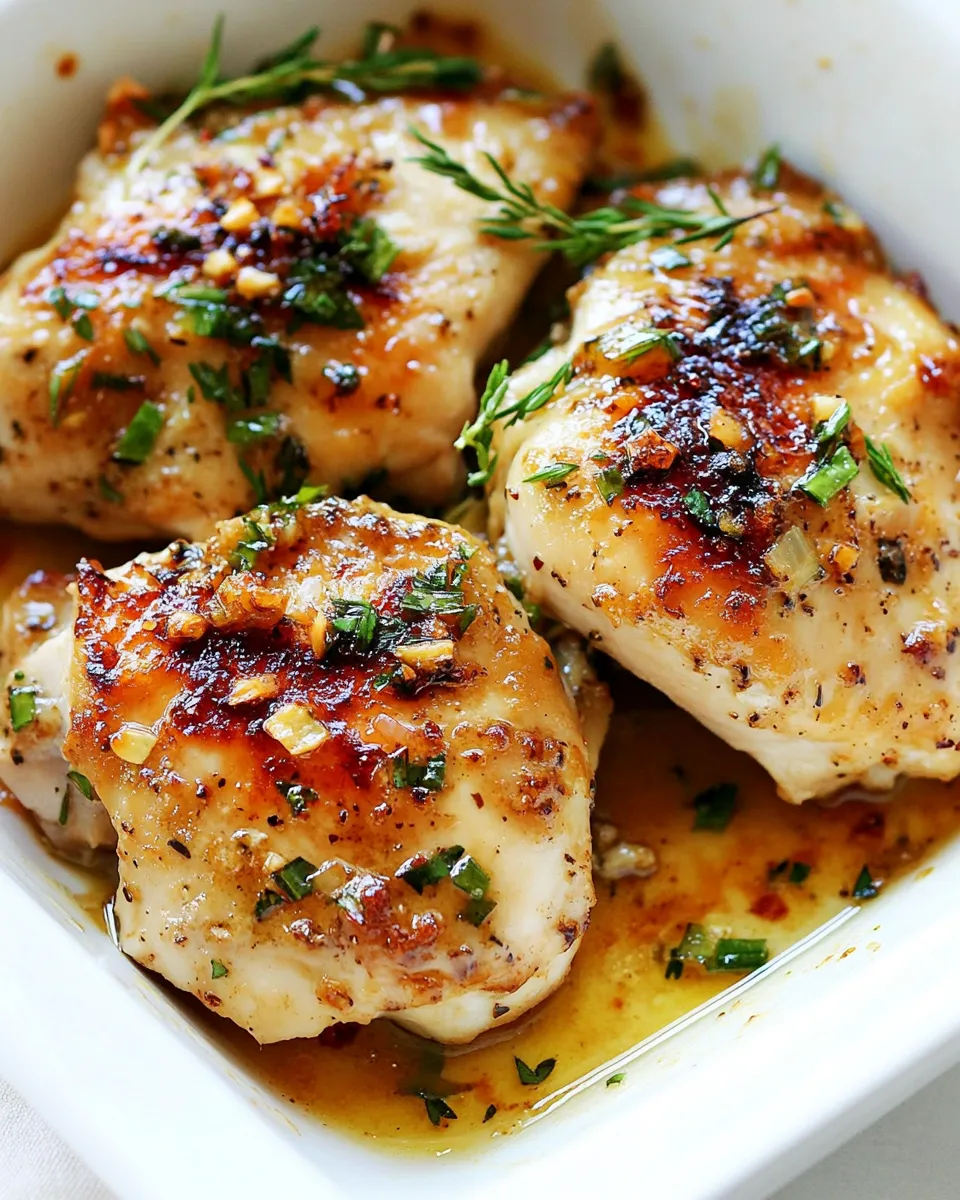
Now that you have your ingredients ready, let’s dive into the cooking process. Follow these steps for a perfect Chicken Dijon:
Step 1: Season the Chicken
Begin by seasoning your deboned chicken thighs with a pinch of salt and black pepper. This will enhance the natural flavors of the chicken.
Step 2: Heat the Olive Oil
In a large skillet, heat 2 teaspoons of olive oil over medium-high heat. Allow the oil to get hot but not smoking.
Step 3: Sear the Chicken
Once the oil is hot, add the seasoned chicken thighs to the skillet, skin side down. Cook for about 5-7 minutes until the skin is golden brown and crispy. Flip the chicken and cook for an additional 5 minutes on the other side until browned.
Step 4: Add Garlic
After the chicken is seared, add the minced garlic to the pan. Stir it around for about 30 seconds until fragrant but be careful not to burn it.
Step 5: Make the Sauce
In a small bowl, whisk together the honey, Dijon mustard, and water. Pour this mixture over the chicken in the skillet, ensuring it’s well coated.
Step 6: Simmer
Reduce the heat to medium-low and cover the skillet. Let the chicken simmer in the sauce for about 10-15 minutes, or until the chicken is fully cooked and tender. The sauce will thicken slightly during this time.
Step 7: Serve
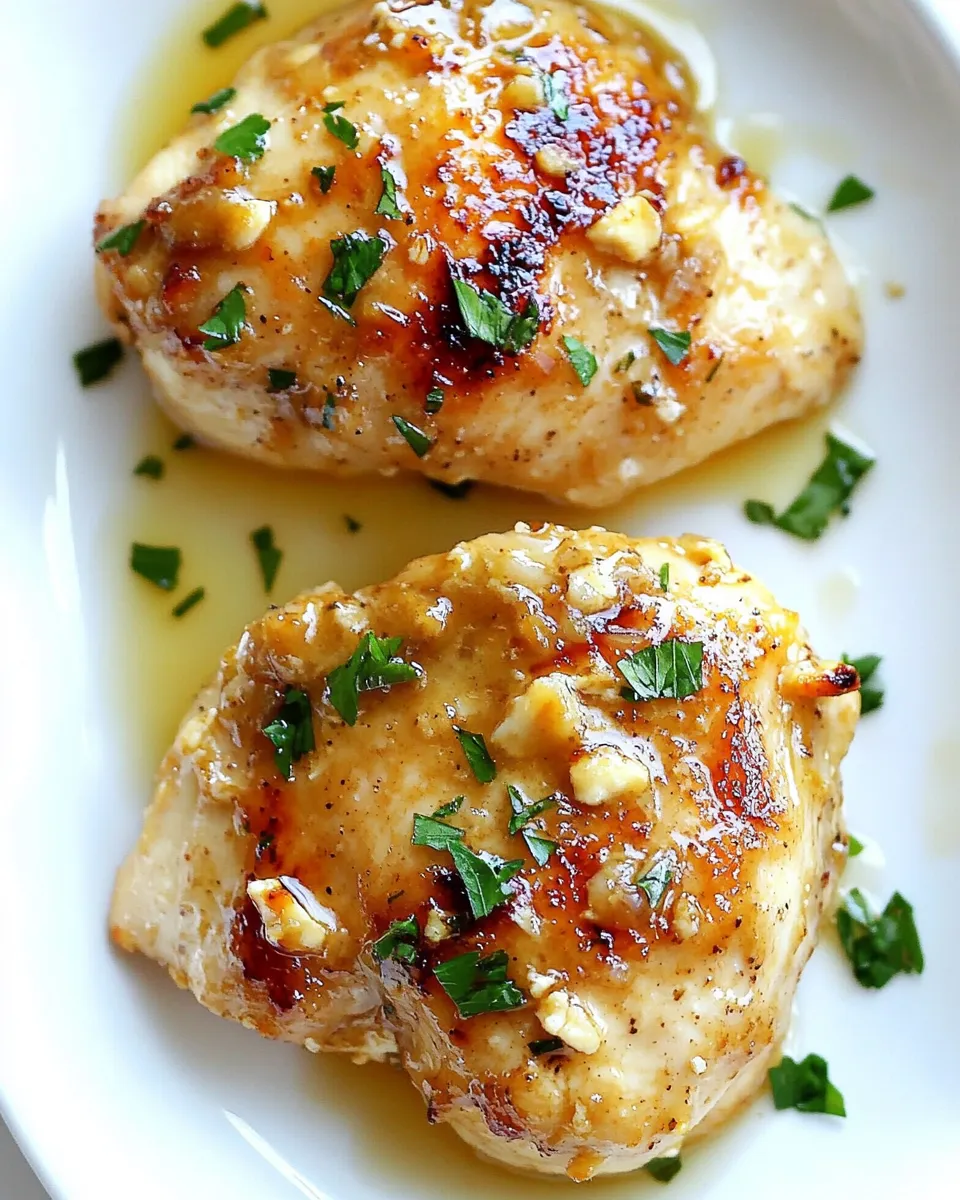
Once cooked, remove the chicken from the skillet and let it rest for a few minutes. Serve it with the sauce drizzled over the top, and enjoy your delicious Chicken Dijon!
Smart Substitutions
If you find yourself short on an ingredient or simply want to experiment, here are some smart substitutions:
- Chicken breasts: You can use boneless, skinless chicken breasts instead of thighs for a leaner option.
- Maple syrup: Swap out honey for maple syrup if you prefer a different sweetness profile.
- Garlic powder: In a pinch, use garlic powder instead of fresh garlic—1/2 teaspoon should suffice.
- White wine: Replace water with a splash of white wine for a deeper flavor.
These substitutions can help you customize the dish to your taste or make use of what you have on hand.
Common Errors (and Fixes)
Even seasoned cooks can run into a few hiccups. Here are some common errors and how to fix them:
- Chicken is dry: This can happen if the chicken is overcooked. Make sure to use a meat thermometer to check for an internal temperature of 165°F.
- Sauce is too runny: If your sauce isn’t thickening, let it simmer uncovered for a few extra minutes to reduce.
- Burnt garlic: Garlic can burn quickly, so always keep an eye on it while it’s cooking. If it burns, start over with fresh garlic.
- Too salty: If you accidentally over-salted, try adding a little more water or a splash of cream to balance it out.
Being aware of these potential pitfalls can help you navigate the cooking process with confidence.
Cooling, Storing & Rewarming
If you happen to have leftovers (which is unlikely, but just in case), here’s how to handle them:
Allow the Chicken Dijon to cool completely before transferring it to an airtight container. Store it in the refrigerator for up to 3 days. To rewarm, place the chicken in a skillet over low heat, adding a splash of water or chicken broth to keep it moist. Cover the skillet to help the chicken heat evenly.
Handy Q&A
Can I use skinless chicken thighs for this recipe?
Yes, you can use skinless chicken thighs, but the dish may lack some of the richness and flavor that the crispy skin provides. If you choose skinless, consider adding a bit more olive oil to compensate.
What can I serve with Chicken Dijon?
This dish pairs beautifully with a variety of sides. Consider serving it with roasted vegetables, mashed potatoes, or a fresh green salad to complete the meal.
Can I make this dish ahead of time?
Absolutely! Chicken Dijon can be made ahead of time and stored in the refrigerator. Just reheat it gently when you’re ready to serve.
Is there a vegetarian version of Chicken Dijon?
While Chicken Dijon is traditionally made with chicken, you can create a vegetarian version by using firm tofu or seitan in place of the chicken. Just be sure to adjust the cooking times accordingly.
Ready, Set, Cook
Now that you have all the information you need, it’s time to get cooking! Gather your ingredients, follow the steps, and prepare to be amazed by the deliciousness of Chicken Dijon. This recipe not only showcases the beauty of simple cooking but also brings joy to your dining table. Whether it’s a cozy family dinner or a gathering with friends, Chicken Dijon is sure to impress and satisfy.
So, roll up your sleeves, turn on your favorite playlist, and enjoy the process. Your taste buds will thank you!
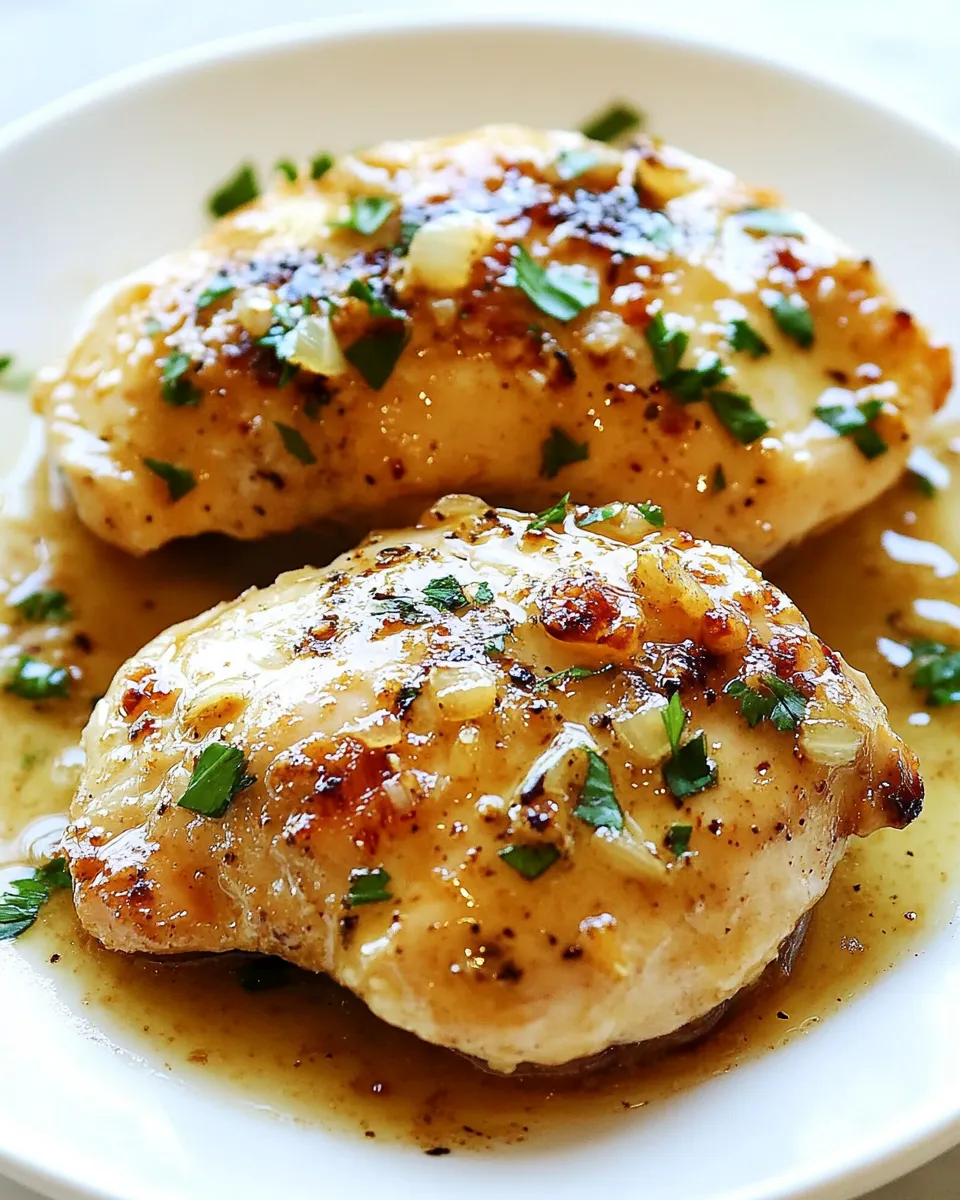
Chicken Dijon
Ingredients
Equipment
Method
- Step 1: Season the Chicken - Begin by seasoning your deboned chicken thighs with a pinch of salt and black pepper. This will enhance the natural flavors of the chicken.
- Step 2: Heat the Olive Oil - In a large skillet, heat 2 teaspoons of olive oil over medium-high heat. Allow the oil to get hot but not smoking.
- Step 3: Sear the Chicken - Once the oil is hot, add the seasoned chicken thighs to the skillet, skin side down. Cook for about 5-7 minutes until the skin is golden brown and crispy. Flip the chicken and cook for an additional 5 minutes on the other side until browned.
- Step 4: Add Garlic - After the chicken is seared, add the minced garlic to the pan. Stir it around for about 30 seconds until fragrant but be careful not to burn it.
- Step 5: Make the Sauce - In a small bowl, whisk together the honey, Dijon mustard, and water. Pour this mixture over the chicken in the skillet, ensuring it’s well coated.
- Step 6: Simmer - Reduce the heat to medium-low and cover the skillet. Let the chicken simmer in the sauce for about 10-15 minutes, or until the chicken is fully cooked and tender. The sauce will thicken slightly during this time.
- Step 7: Serve - Once cooked, remove the chicken from the skillet and let it rest for a few minutes. Serve it with the sauce drizzled over the top, and enjoy your delicious Chicken Dijon!
Notes
- For a leaner option, substitute chicken thighs with boneless, skinless chicken breasts.
- Maple syrup can replace honey for a different sweetness profile.
- Use garlic powder if fresh garlic is not available—1/2 teaspoon should suffice.