Roasted Snapper Fillet and Sustainable Seafood
When it comes to seafood, few dishes are as appealing and satisfying as a perfectly roasted snapper fillet. This delightful fish, with its delicate flavor and flaky texture, is a culinary gem. Coupled with the importance of sustainable seafood practices, this recipe for Roasted Snapper Fillet not only celebrates great taste but also supports our oceans. Join me as we explore how to create a mouthwatering dish that respects the environment and delights the palate.
Why It Deserves a Spot
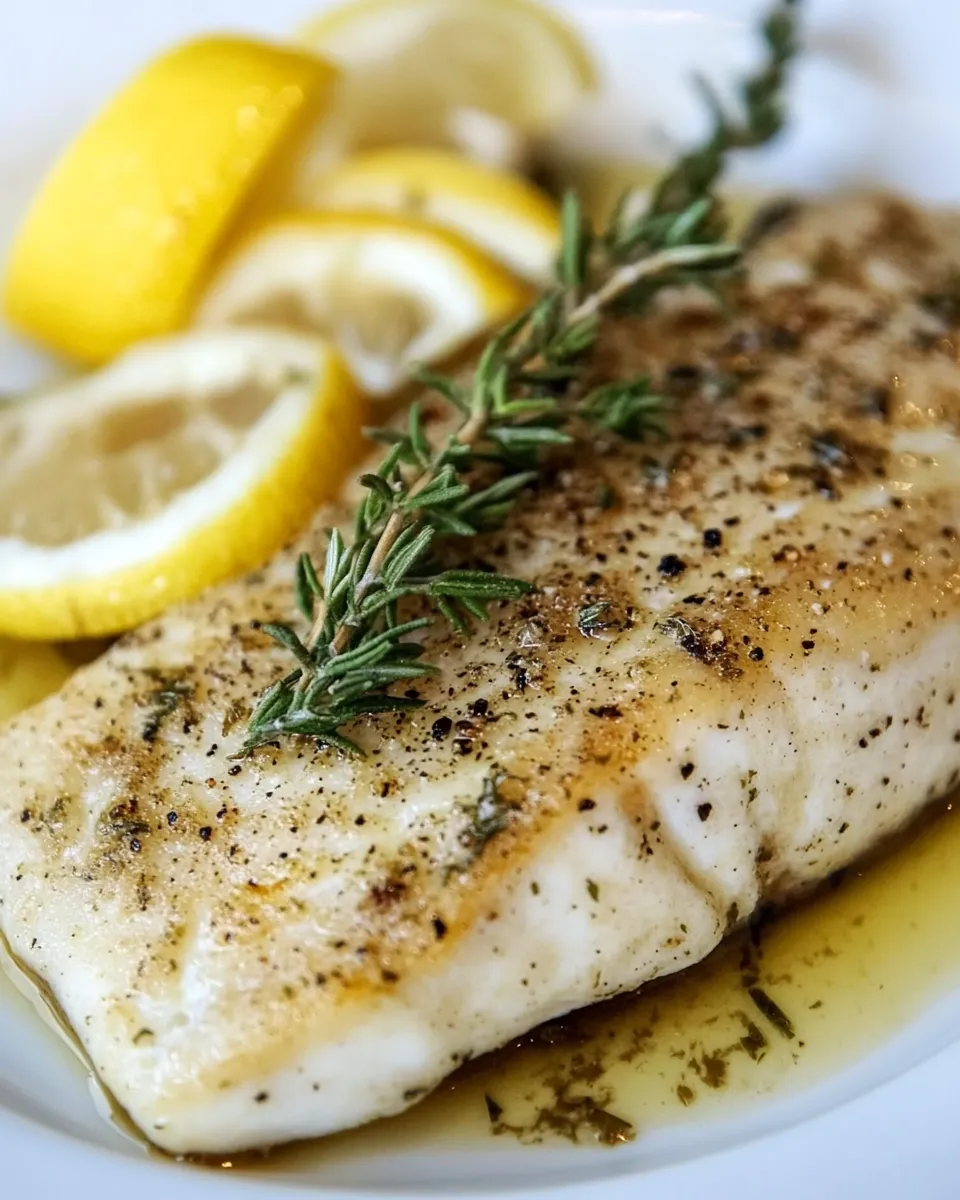
Roasted snapper fillet is not just a dish; it’s an experience. The combination of fresh herbs, garlic, and a hint of lemon elevates the natural flavors of the fish, making it a standout meal for any occasion. Beyond its deliciousness, snapper is often sourced sustainably, making it a responsible choice for seafood lovers. By choosing sustainable options, we not only enjoy our meals but also contribute to the health of our oceans and marine life. So, let’s dive into this recipe and make a dish that is as good for the planet as it is for our taste buds!
What You’ll Gather
To create this delightful Roasted Snapper Fillet, here’s what you’ll need:
- 3 snapper fillets, 8 oz each
- 2 tsp olive oil
- 3 cloves garlic, minced
- 2 tbsp fresh rosemary or fresh oregano, chopped
- Kosher salt and fresh pepper, to taste
- 1 tbsp Italian seasoned breadcrumbs
- Fresh lemon wedges for serving
Setup & Equipment
Before we get started, here’s a quick list of essentials you’ll need for this preparation:
- Oven: Preheated to 400°F (200°C) for roasting.
- Baking dish: To hold the snapper fillets while they roast.
- Mixing bowl: For combining the olive oil, garlic, and herbs.
- Cooking brush or spoon: To apply the olive oil mixture onto the fillets.
- Knife and cutting board: For chopping herbs and garlic.
Roasted Snapper Fillet and Sustainable Seafood Made Stepwise
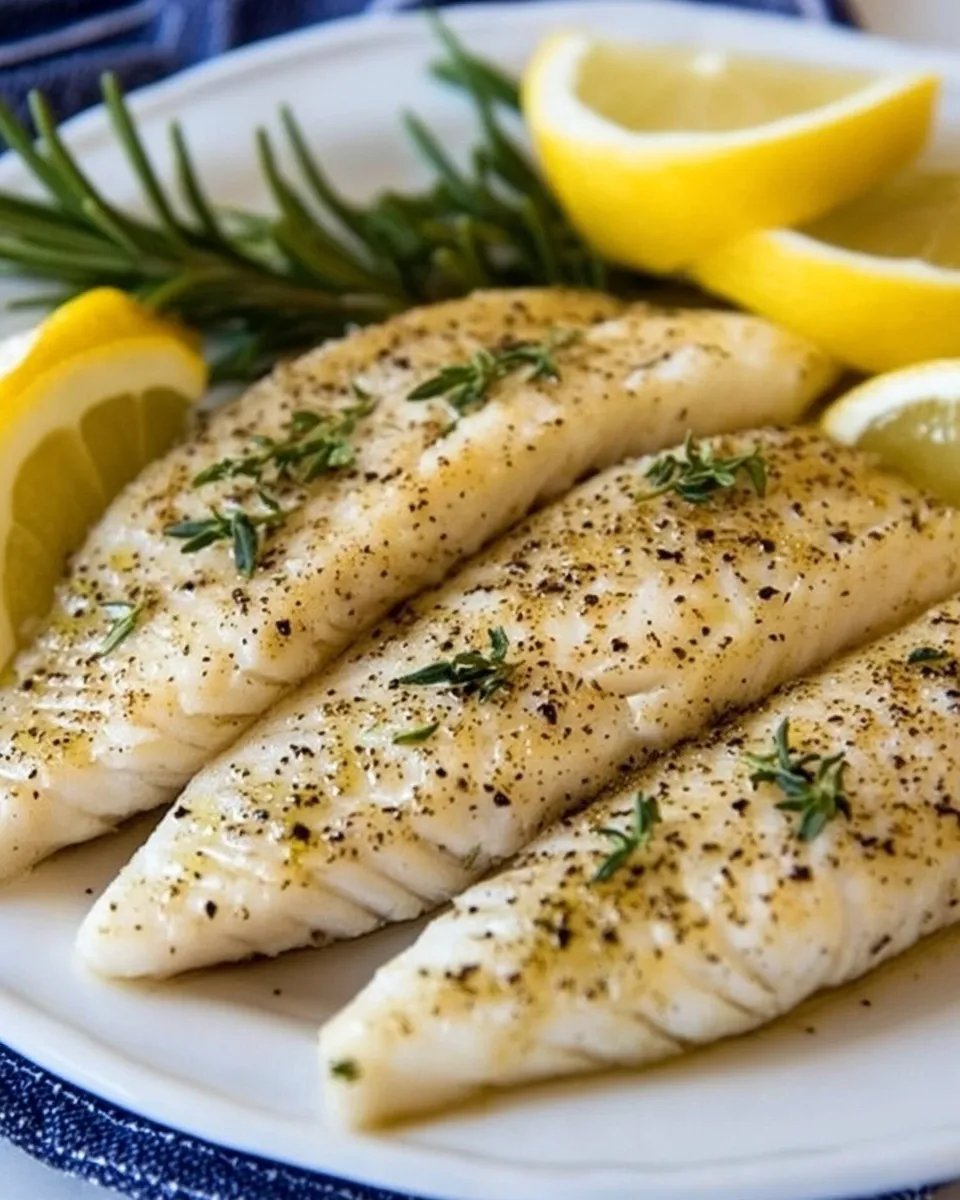
Step 1: Preheat the Oven
Start by preheating your oven to 400°F (200°C). A hot oven is essential for perfectly roasted fish.
Step 2: Prepare the Herb Mixture
In a mixing bowl, combine the olive oil, minced garlic, and chopped fresh rosemary or oregano. Add a pinch of kosher salt and fresh pepper to taste. This fragrant mixture will bring the snapper to life.
Step 3: Season the Snapper
Place the snapper fillets into a baking dish. Drizzle the herb mixture over the fillets, making sure to coat them evenly. Use a cooking brush or spoon for best results.
Step 4: Add Breadcrumbs
Sprinkle Italian seasoned breadcrumbs over the top of each fillet. This will create a beautiful crust that adds texture and flavor.
Step 5: Roast the Snapper
Place the baking dish in the preheated oven and roast for about 15-20 minutes, or until the fish flakes easily with a fork. The internal temperature should reach 145°F (63°C).
Step 6: Serve with Lemon
Once the snapper is done, remove it from the oven and serve immediately with fresh lemon wedges on the side. The acidity of the lemon will enhance the flavors beautifully.
Health-Conscious Tweaks
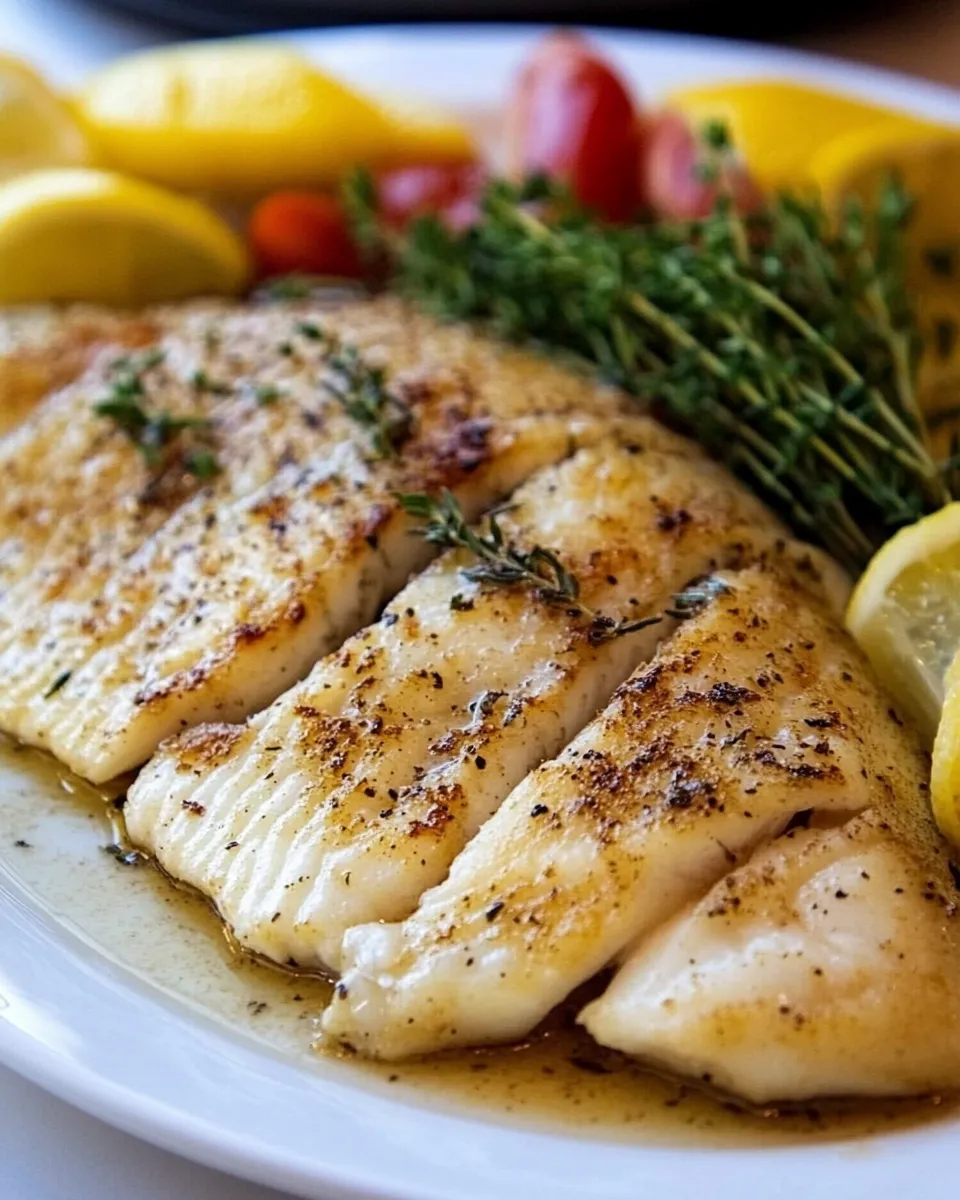
If you’re looking to make this dish even healthier, consider the following options:
- Swap olive oil for avocado oil for a higher smoke point and additional nutrients.
- Use whole grain breadcrumbs instead of Italian seasoned breadcrumbs for added fiber.
- Incorporate more vegetables, such as cherry tomatoes or asparagus, into the baking dish for a complete meal.
- Reduce the amount of oil used to lower the calorie count without sacrificing moisture.
Mistakes Even Pros Make
Cooking can be a learning process, and even experienced chefs can make missteps. Here are some common pitfalls to avoid:
- Not preheating the oven: This can lead to uneven cooking and a less-than-desirable texture.
- Overcooking the fish: Snapper is delicate and can dry out quickly if left in the oven too long. Keep an eye on it!
- Skimping on seasoning: A good amount of salt and pepper enhances flavors significantly.
- Ignoring sustainability: Always choose seafood from responsible sources to protect our oceans.
Leftovers & Meal Prep
If you find yourself with leftover roasted snapper, don’t worry! Here’s how you can store and repurpose it:
Leftover snapper can be stored in an airtight container in the refrigerator for up to three days. It’s perfect for meal prep! You can flake the fish and add it to salads, tacos, or pasta dishes for quick and easy meals throughout the week.
- Reheat gently in the oven or on the stovetop to preserve texture.
- Add to grain bowls with quinoa or brown rice for a nutritious lunch.
- Mix with Greek yogurt and herbs for a delicious fish dip.
Ask the Chef
Can I use frozen snapper fillets for this recipe?
Yes, you can use frozen snapper fillets! Just make sure to thaw them completely before cooking to ensure even cooking and the best texture.
What other herbs can I use besides rosemary or oregano?
Feel free to experiment with other herbs like thyme, dill, or parsley. Each will bring its unique flavor profile to the dish.
How can I tell if the snapper is cooked properly?
The best way to check is by using a fork – if it flakes easily and is opaque throughout, it’s done. You can also use a food thermometer to ensure it reaches an internal temperature of 145°F (63°C).
Can I make this recipe in advance for a gathering?
You can prepare the seasoning and coat the fillets a few hours ahead of time. However, it’s best to roast the snapper just before serving to retain its freshness and texture.
Wrap-Up
Creating a dish like Roasted Snapper Fillet not only satisfies your taste buds but also aligns with a commitment to sustainability. By selecting responsibly sourced seafood, you’re making a positive impact on marine conservation while enjoying a delectable meal.
This recipe is simple yet elegant, making it perfect for a weeknight dinner or a special occasion. With its vibrant flavors and healthful ingredients, Roasted Snapper Fillet and Sustainable Seafood is sure to become a staple in your culinary repertoire. The next time you’re in the mood for a seafood feast, remember this dish and the joy it brings—not just to your table but to the ocean as well.
Let’s celebrate food that is delicious, nutritious, and sustainable! Enjoy your cooking adventure, and don’t forget to share your creations with friends and family. Happy roasting!
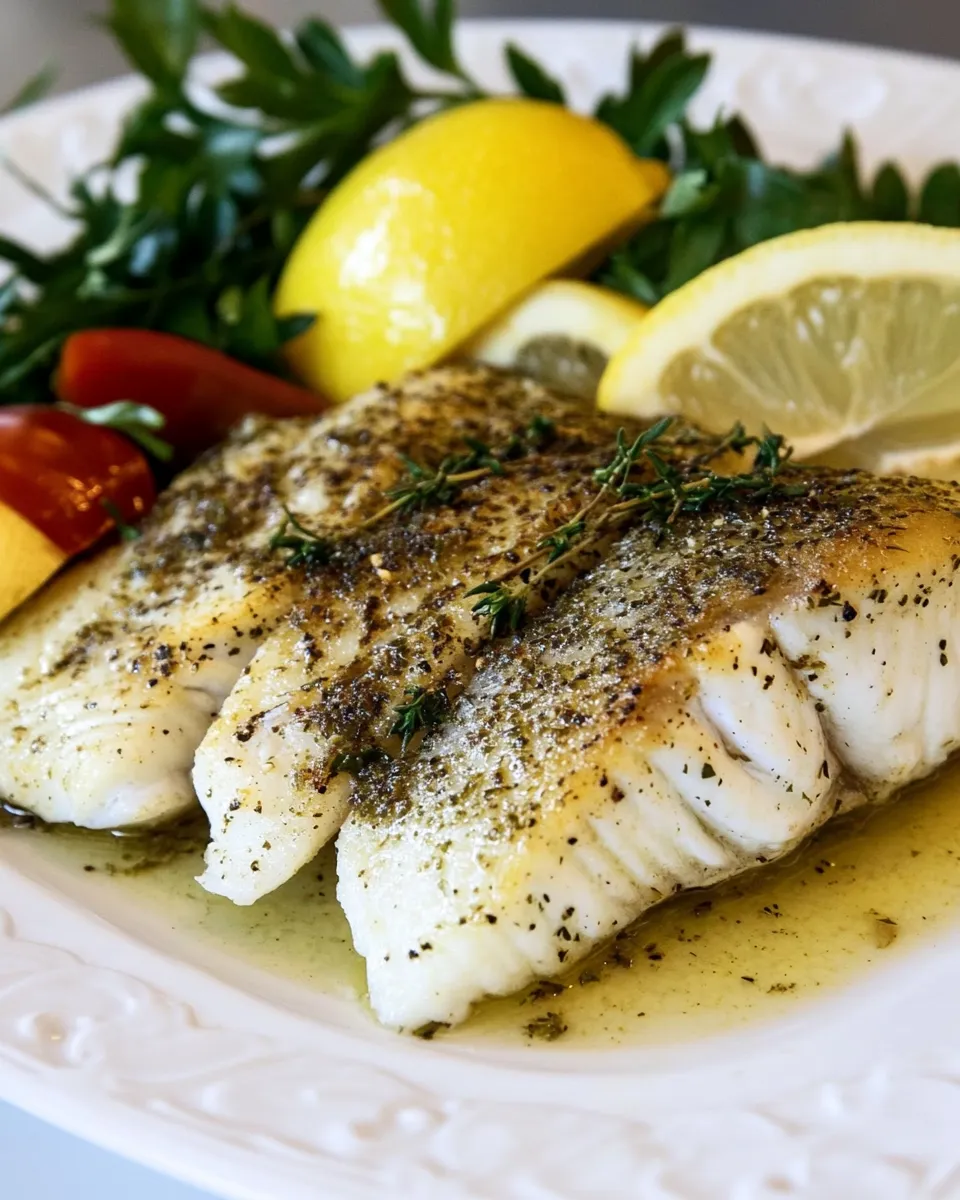
Roasted Snapper Fillet and Sustainable Seafood
Ingredients
Equipment
Method
- Preheat your oven to 400°F (200°C).
- In a mixing bowl, combine the olive oil, minced garlic, and chopped fresh rosemary or oregano. Add a pinch of kosher salt and fresh pepper to taste.
- Place the snapper fillets into a baking dish. Drizzle the herb mixture over the fillets, coating them evenly.
- Sprinkle Italian seasoned breadcrumbs over the top of each fillet.
- Place the baking dish in the preheated oven and roast for about 15-20 minutes, or until the fish flakes easily with a fork and reaches an internal temperature of 145°F (63°C).
- Remove from the oven and serve immediately with fresh lemon wedges on the side.
Notes
- Store leftover snapper in an airtight container in the refrigerator for up to three days.
- Reheat gently to preserve texture.
- Add to salads or tacos for quick meals.